Morocco Travel Insurance: Plans & Prices
 Written By
  Reviewed By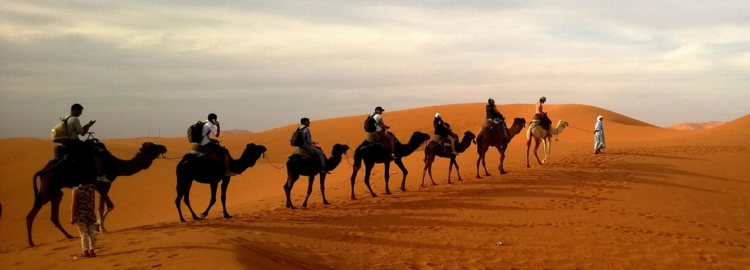
Key Takeaways
-
According to Morocco travel insurance policy sales over the past 12 months, the top best-selling plans are offered by Tin Leg, IMG, and Travel Insured International.
-
U.S. health insurance is not accepted in Morocco, and private hospitals in major cities often require upfront payment before providing treatment.
-
Due to unique risks like food-borne illnesses, terrorism, traffic accidents, and limited medical resources in rural areas, we recommend purchasing comprehensive travel insurance when visiting Morocco.
-
Travelers spend, on average, $308 on insurance when visiting Morocco, based on recent policy sales data.
-
U.S. health insurance is not accepted in Morocco, so we recommend policies that include at least $50,000 in Emergency Medical and up to $100,000 Medical Evacuation coverage
-
Try our online travel insurance comparison tool to get multiple Morocco travel insurance quotes at once. For personal assistance, call our award-winning agents at 1-800-240-0369.
Our Top Recommended Morocco Travel Insurance Plans
Of all plans available to protect your upcoming trip to Morocco, we recommend considering the following top-selling policies:


Do You Need Travel Insurance to Visit Morocco?
No, travel insurance is not required to visit Morocco. U.S. citizens and permanent residents only need a valid passport for trips that last less than 90 days.
Despite not being mandatory, governing authorities and official federal agencies strongly urge travelers to purchase protection when visiting Morocco. According to the CDC, “If you are seriously injured, emergency care may not be available or may not meet US standards. Trauma care centers are uncommon outside urban areas. Having insurance can be helpful for these reasons.”
Since U.S. health insurance is not accepted throughout Morocco, travel insurance can help you avoid paying costly medical expenses out of pocket. Having a policy in place can also protect you against other common disruptions like cancellations, delays, and baggage loss.
Morocco Travel Warnings & Risks
At the time of writing, Morocco holds a Level 2 Travel Advisory rating from the U.S. Department of State. While the agency cites terrorism as the most pressing threat to tourists, there are other risks to consider when planning travel to the North African nation.
Terrorism Threats
While Morocco maintains strong counterterrorism efforts and the risk of an attack is generally lower than in some neighboring regions, security concerns still exist. It has been roughly 15 years since the last major terrorist incident in Morocco, but authorities continue to warn that potential threats could target major tourist areas and public gathering sites.
✅ Many comprehensive travel insurance plans come standard with Terrorism coverage, which can reimburse up ot 100% of your prepaid, non-refundable trip costs if you’re forced to cancel or interrupt your Morocco trip due to a terrorist attack at your destination. The Non-Medical Evacuation benefit, included in select plans, can cover the cost to transport you to a place of safety if a terrorist event happens during your trip.
Health & Food Safety
Food safety in Morocco presents significant risks for travelers due to common issues with untreated tap water, poor hygiene in street food stalls, and a lack of comprehensive food safety standards. Consuming foods that are not properly handled or prepared can result in illnesses such as Salmonella or E. coli.
✅ Most travel insurance plans include robust travel medical coverage that provides reimbursement for doctor visits, hospital stays, and prescription medication if you contract a food-borne illness.
Road Safety & Traffic Conditions
Traffic conditions in Morocco can be chaotic, particularly in major cities. Drivers often ignore traffic laws, road signs, and pedestrian crossings. Visitors are advised to avoid driving at night in crowded areas and are encouraged to use taxis or licensed transportation companies if they are not used to Morocco’s driving conditions.
✅ If you are renting a car while in Morocco, you can purchase Rental Car Damage protection through your travel insurance provider. This optional benefit covers damage, theft, and vandalism to your rental car during your trip. Your Emergency Medical benefit can also cover medical costs if you are injured in a motor accident.
Petty Crime & Pickpocketing
Petty theft is the most common issue tourists face in Morocco, especially in crowded areas like markets, train stations, and tourist attractions. This activity most often occurs in popular destinations like Marrakesh, Casablanca, and Fez, where large crowds can make it easier for thieves to target tourists and operate unnoticed.
✅ If your personal belongings are stolen at any point during your trip, your policy’s Baggage Loss benefit may reimburse you for the actual cash value of the items at the time they went missing. Oftentimes, a police report is needed when filing a claim. Your provider’s 24-Hour Emergency Assistance service can also help replace stolen travel documents.
Limited Medical Resources in Rural Areas
Major Moroccan cities are known to offer relatively modern healthcare facilities with English-speaking staff. However, medical resources in rural and remote regions of Morocco can be limited. If you’re traveling through the Atlas Mountains or the Sahara Desert, you may find that hospitals are scarce, and advanced treatment options may require emergency transportation to a larger city or even another country.
✅ Medical Evacuation coverage is a common travel insurance benefit that covers the cost of emergency medical transportation to the nearest adequate medical facility. This benefit can save you tens of thousands of dollars if you need to be airlifted from a rural part of Morocco or repatriated back to your home country. Your plan’s Emergency Medical benefit can also cover doctor, hospital, and medication expenses you incur during your trip.
More Details About the Best Morocco Travel Insurance Plans
Most Popular Morocco Insurance Plan

Medical / Med Evac Coverage
$500,000 / $500,000Cancellation / Interruption Limits
100% / 150% of trip cost
The best-selling plan among Squaremouth customers visiting Morocco, accounting for roughly 21% of all policy sales across the past 12 months
Includes up to $500,000 in primary Emergency Medical coverage, which is five times higher coverage than the other plans listed on this page, and among the highest protection offered of any comprehensive plan on our platform
Covers more than 250 unique sports and activities, including popular Moroccan adventures like hiking, trekking, surfing, and sandboarding
Best Policy for Evacuation Coverage

Medical / Med Evac Coverage
$100,000 / $500,000Cancellation / Interruption Limits
100% / 150% of trip cost
Includes up to $100,000 in Non-Medical Evacuation coverage, which can help transport you to safety in the event of a natural disaster or terrorist attack
Provides up to $1,000 in Baggage Loss protection to cover your personal belongings in the event of theft during your trip
Includes up to $100,000 in Non-Medical Evacuation coverage, which can help transport you to safety in the event of a natural disaster on the island
Features up to $500,000 in Medical Evacuation coverage that can reimburse you if you require urgent transportation services while suffering from a medical emergency
Best for Customization

Medical / Med Evac Coverage
$100,000 / $500,000Cancellation / Interruption Limits
100% / 150% of trip cost
Provides the option to add Cancel For Any Reason and Interruption For Any Reason coverage to your coverage, which can add flexibility and peace of mind to your travel plans
One of the only plans on Squaremouth that offers policy upgrades, allowing customers to increase coverage limits for key benefits for a small fee
Offers free coverage for children under the age of 18, making it a cost-effective option if you’re traveling to Morocco with young family members
How Much Does Morocco Travel Insurance Cost?
At the time of writing, the average cost of travel insurance for a trip to Morocco is roughly $308. This equates to 4.4% of the average $7,000 trip to Morocco. This is based on thousands of policy sales on Squaremouth over the past 12 months.
With an average trip length of 15 days, you can expect to pay around $21 a day for trip protection.
The price of travel insurance depends on a wide range of factors, including your age, trip length, trip cost, coverage needs, and policy type. Approximately 65% of travelers visiting Morocco opt for comprehensive coverage, which typically ranges between 4-10% of their insured travel expenses.
Below are sample prices for a 50-year-old couple visiting Morocco for 14 days, spending $7,000 in upfront, non-refundable costs.
| Provider | Plan Name | Plan Cost | Cost Per Day |
|---|---|---|---|
| Tin Leg | Gold | $368 | $26 |
| IMG | iTravelInsured Choice | $262 | $19 |
| Travel Insured International | FlexiPAX | $256 | $18 |
The above prices are intended to give a general idea of how much travel insurance will cost for your trip to Morocco, and can vary depending on your upcoming trip details. Prices can vary by state of residence.
As shown in the chart, FlexiPAX offers the most affordable coverage of all three options shown. The cost savings you get from purchasing this plan can go towards the various customization options available. Tin Leg Gold is the most expensive plan, but comes with the strongest Emergency Medical coverage.
Most Important Travel Insurance Benefits When Visiting Morocco
Purchasing travel insurance is an important step in the trip-planning process leading up to your Morocco adventure. When comparing plans, it’s important to consider your personal itinerary, as well as the various risks discussed above.
We recommend that all Morocco travelers opt for comprehensive coverage that includes the following benefits:
Trip Cancellation & Interruption Coverage
Factoring in prepaid expenses like flights, accommodations, and excursions, the average trip to Morocco costs roughly $7,000. Luxury trips that include 5-star lodging and private transportation can cost tens of thousands of dollars. If you’re forced to cancel your trip for reasons outside of your control, you run the risk of losing all of your non–refundable expenses.
By purchasing a policy that includes Trip Cancellation and Trip Interruption coverage, you’re protecting those prepaid expenses from unexpected events that could cancel your trip, such as a sudden illness or last-minute injury that prevents travel. In addition to medical cancellations, most plans also cover cancellations due to terrorism, natural disasters, and financial default of a common carrier.
Emergency Medical Coverage
U.S. health insurance is not accepted in Morocco. This means that you’re financially responsible for any medical expenses you rack up throughout your trip. Given the increased risk of food-borne illnesses and traffic-related accidents, it’s recommended that you purchase a travel insurance policy that offers strong Emergency Medical coverage that can reimburse you for a wide range of medical costs.
To be on the safe side, we recommend that you find a plan that offers at least $50,000 in Emergency Medical coverage. However, if your trip includes high-risk activities, additional protection may be necessary.
Medical Evacuation Coverage
If you get injured in the Atlas Mountains or suffer heat stroke in the Sahara Desert, you will likely need to be transported to a well-resourced medical facility in a major city or even another country for treatment. According to the CDC, these services can cost in excess of $100,000. Without protection in place, you will be responsible for footing this bill.
Fortunately, most travel insurance plans come standard with strong Medical Evacuation coverage. Ideally, your plan will protect you from the worst-case scenario. For that reason, we suggest plans that offer at least $100,000 in Medical Evacuation coverage.
Delay & Missed Connection Coverage
There are limited options when it comes to direct flights from the U.S. to Morocco, meaning that most travelers will need to take multiple flights to reach their final destination. When dealing with layovers and tight connections, even a slight delay can have a significant impact on your itinerary.
Trip Delay is a travel insurance benefit that covers food and accommodation expenses if your trip is delayed due to inclement weather, mechanical breakdowns, or other covered reasons by 3-12 hours, depending on the plan. If a covered delay also forces you to miss a connecting flight or tour departure, your plan’s Missed Connection benefit may cover the cost to book new travel arrangements.
Baggage Loss Protection
As mentioned, petty theft is a common issue Americans face when visiting Morocco, especially when shopping in crowded markets or exploring busy cities. Tourists are often targets of theft, and all foreign travelers are advised to be vigilant and keep their valuables in a safe location.
Since the threat of theft is high, we recommend considering plans that offer strong Baggage Loss protection. This benefit can protect you financially if you are targeted by petty thieves and can relieve the stress that comes with the aftermath of such an event.
Common Morocco Travel Insurance Exclusions
Travel insurance exclusions refer to the specific expenses, activities, or scenarios that are not covered by your policy. Knowing these limitations can help you avoid costly surprises down the road and help you find the best possible plan ahead of your Morocco trip.
- Civil Unrest: Most standard travel insurance policies do not cover trip cancellations or interruptions due to civil unrest or political demonstrations, as it is considered a foreseeable event.
- Pre-Existing Conditions: Health issues that existed before you purchased your policy are generally excluded from coverage unless your plan includes a pre-existing condition waiver.
- Change of Mind: Cancellations due to conflicting schedules, fear of travel, or a general change of plans are not covered by travel insurance. Opt for CFAR coverage for the most cancellation flexibility.
- High-Risk Activities: As mentioned, high-risk activities, like camel riding or sandboarding, are typically excluded from coverage. If you’re planning a Moroccan adventure trip, be sure to double-check that all of your itinerary is covered.
A full list of travel insurance exclusions can be found in your plan’s Certificate of Insurance, which can be referenced at any time.
FAQs: Morocco Travel Insurance
Do Morocco Tour Operators Require Travel Insurance?
Generally speaking, no. Most Moroccan tour operators, whether you’re exploring the Sahara or taking a day trip to the Atlas Mountains, do not require travel insurance. However, it’s always important to confirm this information before your trip.
Many organized tours in Morocco involve activities that pose an increased risk of injury, which may require specialized adventure coverage. For additional guidance and policy recommendations, visit our list of the Best Adventure Travel Insurance plans.
How Much Does it Cost to Visit Morocco?
Based on Squaremouth travel insurance sales data, the average cost for a trip to Morocco is roughly $7,000, with an average trip length of 15 days. This figure only includes prepaid expenses like airfare, accommodations, and excursions. Morocco is generally a very budget-friendly African country to visit, especially when compared to popular safari destinations like Kenya, Tanzania, and South Africa.
Is Morocco Safe to Visit?
Yes, Morocco is generally safe to visit for Americans. Despite threats of petty theft and terrorism, millions of tourists visit Morocco each year without incident. Major cities are well-policed, but you should also remain vigilant when in busy, crowded areas.
Does Morocco Have Quality Medical Care?
It depends on the region. Morocco offers quality medical care at private hospitals located in major cities like Casablanca, Rabat, and Marrakech. However, access to quality medical care remains a significant issue, particularly in rural areas.
Due to limited resources, you may experience long wait times and limited English-speaking staff at public Moroccan medical facilities.
Do All Morocco Travel Insurance Plans Cover Terrorism?
No, not all travel insurance plans cover terrorism, and those that do usually have strict stipulations. Coverage typically applies only if the policy is purchased before an attack occurs and, in many cases, if the attack happens within 7–30 days of your scheduled arrival.