Travel Insurance & Earthquakes: What’s Covered?


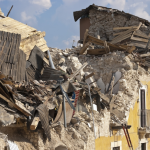
Key Takeaways
- Most comprehensive travel insurance plans found on Squaremouth offer financial protection against earthquake-related disruptions, such as cancellations, interruptions, and delays.
- Travel insurance coverage only applies if the policy was purchased before an earthquake occurs, as any earthquake that has already happened is considered a foreseen event and is typically excluded from coverage.
- Some of the world’s most visited destinations sit directly on active fault lines and are at risk of earthquakes. Japan, Greece, Turkey, Mexico, and Indonesia top the list.
- In June 2026, two earthquakes struck Venezuela, causing devastating damage and killing more than 900 people.
- Unlike tornadoes or other natural disasters, earthquakes are very difficult to predict and can strike without warning, making them a prime candidate for travel insurance coverage.
In early 2025, thousands of tourists were forced to evacuate Santorini, Greece, with little notice as the island experienced weeks of earthquake activity. As hotels closed and cruise itineraries were forced to change course, many travelers were left wondering where to go, what to do, and what protection they had.
This uncertainty is exactly the reason why travel insurance is so important.
Since earthquakes are near impossible to predict, and many of the world’s most popular travel destinations sit directly on active fault lines, having coverage in place before you depart for vacation can offer a financial safety net and some much-needed peace of mind.
In this guide, we’ll break down how earthquakes are treated by travel insurance providers and provide tips on how to get covered ahead of your next trip.
Does Travel Insurance Cover Earthquakes?
Yes, most comprehensive travel insurance plans provide financial protection if your trip is impacted by earthquakes. Providers typically classify them as natural disasters, meaning coverage falls under the “Severe Weather & Natural Disaster” benefit.
While this benefit can be found in over 80% of policies on the Squaremouth marketplace, not all plans provide the same level of coverage for natural disasters.
For example, only a handful of policies will cover evacuation expenses if an earthquake results in a mandatory evacuation. Plans also have different thresholds that must be met before coverage applies, so it’s best to carefully review your policy documentation to avoid surprises.
Key Rule: Regardless of the policy you select, you must purchase your coverage before an earthquake makes headlines. Travel insurance only protects against the unexpected, and once an earthquake occurs, it becomes a known event. Purchasing your policy after the fact means your insurer will not cover related losses.
What Does Earthquake Travel Insurance Cover?
Whether an earthquake occurs before you depart or while you travel, insurance has you covered. Here’s a breakdown of every benefit that may apply when a natural disaster disrupts your trip.
| Benefit | When it Applies | What it Covers | Optimal Coverage Limit |
|---|---|---|---|
| Trip Cancellation | An earthquake renders your destination uninhabitable, triggers an evacuation, or ceases travel | Your prepaid, non-refundable travel expenses if you’re forced to cancel your trip | 100% of your trip costs |
| Trip Interruption | An earthquake strikes mid-trip, forcing you to end your trip early | Any unused trip costs and expenses incurred to book new travel arrangements home | 150% of your trip costs |
| Travel Delay | Airport closures or road damage cause delays (3-12+ hours depending on the plan) | Meals, overnight hotel stays, and local transportation while you wait for your new departure time | $500+ with a 3-6 hour minimum delay period |
| Emergency Medical | You sustain an injury from an earthquake and need medical attention | Outpatient treatment, hospitalization, surgery, and doctor visits | $50,000+ |
| Medical Evacuation | You require urgent transport to an adequate medical facility | Transportation costs on an air ambulance or other vehicle fitted with medical equipment | $100,000+ |
| Non-Medical Evacuation | An official evacuation has been issued at your destination | Transport to the nearest safe location or back to your home country | $50,000+ |
What Earthquake Travel Insurance Does Not Cover
Even if your plan offers coverage specifically for natural disasters, there are still clear limitations. Understanding your policy’s exclusions will help you avoid denied claims later down the road.
- Minor earthquakes. Most travel insurance plans will only cover earthquakes that have a significant impact on your health or travel itinerary.
- Fear of travel. Choosing not to go because you’re worried about seismic activity, without an earthquake ever being reported, is not a valid claim.
- Loss of enjoyment. You can not be reimbursed for cancellations due to certain attractions or points of interest being closed because of earthquake damage.
- Post-earthquake purchases. Any coverage purchased after an earthquake is reported will not cover financial losses caused by the earthquake.
- Human-caused events. Earthquakes triggered by industrial activity or explosions are typically excluded.
- Travel to destinations already under government warnings. If the U.S. Department of State issues a Level 4: Do Not Travel advisory for your destination before you purchased your policy, coverage may be void.
A full list of coverage exclusions can be found in your policy’s Certificate of Insurance or by contacting your provider directly.
When to Buy Travel Insurance with Earthquake Coverage
Timing is crucial when it comes to buying travel insurance protection for an earthquake. Waiting too long could put your travel expenses at serious risk. On average, Squaremouth customers buy comprehensive coverage 91 days before departure.
Unlike hurricanes, earthquakes don’t follow a forecast. There is no “Earthquake Season” to plan trips around, and seismic activity can happen without even a moment’s notice.
This is more reason than any to get your coverage in place as soon as possible. That way, you’re protected whether a hurricane occurs months, weeks, or days before your trip.
Here’s a good timeline to follow:
- Make your first trip payment, such as a flight or hotel booking
- Purchase travel insurance, ideally within the first week or two of making your first booking
- Finalize the rest of your trip arrangements, like excursions and rental cars
Since comprehensive travel insurance goes into effect the day after you purchase your plan, getting covered sooner rather than later helps you maximize your coverage period.
Visiting Earthquake-Prone Destinations
While travel insurance is recommended anytime you travel abroad, it becomes essential if you are visiting a destination with a history of natural disasters.
Below are the top 10 most earthquake-prone destinations as reported by World Atlas, a leading geography resource:
Honorable mentions include Nepal, New Zealand, Greece, and Fiji.
Note: If your trip includes a stop, even for a brief period, at one of the countries listed above, carefully review your coverage to make sure earthquakes are covered. If you have already purchased a policy that does not include earthquake coverage, it may be worth purchasing additional protection.
What Happens If An Earthquake Affects My Trip?
If an earthquake strikes while you’re traveling, your insurance claim can wait. Your primary objective should be to get to safety and follow official instructions.
- Get to safety. Move away from windows, exterior walls, and anything that could fall.
- Follow official evacuation instructions. Monitor local emergency broadcasts and comply with any government orders.
- If you’re overseas, reach out to your nearest embassy or consular office. They can help coordinate evacuation and connect you with local resources.
- Call your travel insurance provider’s 24/7 emergency assistance line to inform them of your situation.
- Document everything. This includes photos of damage, written confirmation from your hotel or airline, government alerts, and anything else that’s relevant to your claim.
- Keep every receipt and proof of payment. You can only be reimbursed for expenses that you can prove.
- File your claim once you’re safe. Expect the claims process to take at least four weeks to conclude.
If you have yet to depart for your trip, skip steps 1 through 3 and contact your travel insurance provider immediately to review your coverage and begin a claim.
How to Find Travel Insurance With Earthquake Coverage?
Not all plans include the same natural disaster protections. When comparing plans on Squaremouth ahead of your upcoming trip, implement the following tips:
Apply the ‘Hurricane & Weather’ Filter to Your Search
While there’s no dedicated earthquake filter, selecting our Hurricane & Weather filter on your results page is a good starting point. This narrows your results to plans that include trip cancellation, trip interruption, and travel delay benefits for earthquakes and other weather-related events.
From there, review each policy certificate to confirm how earthquakes are covered and whether any exclusions apply.
Prioritize Plans with Strong Earthquake-Related Benefits
Focus on policies that offer robust Trip Cancellation, Trip Interruption, Travel Delay, and Emergency Medical benefits. If an earthquake forces a mandatory evacuation, damages your accommodations, or causes a prolonged travel delay, these benefits can help reimburse your prepaid expenses and unexpected costs.
Other not-so-common benefits to keep an eye out for include Non-Medical Evacuation and Cancel For Any Reason (CFAR).
Purchase Early
As mentioned above, timing matters when buying travel insurance. Since coverage only applies to unforeseen events, purchasing your policy early gives you the best chance of being covered if an earthquake occurs at your destination before departure.
Real-World Example — Venezuela 2026
A traveler books a trip to Venezuela in March 2026 and purchases a comprehensive policy the same day. In June 2026, two earthquakes hit the country and caused devastating damage. The traveler’s hotel is closed, and flights are cancelled as a result, too. Because they purchased before the event, their Trip Cancellation benefit covers 100% of prepaid, non-refundable costs. Had they waited to buy, they would have had no recourse.
FAQ: Earthquake Travel Insurance
No, not all travel insurance plans cover earthquakes. However, roughly 80% of plans on Squaremouth offer some form of protection for natural disasters and other severe weather events. Specific coverage information relating to natural disasters can be found in the policy documentation, which can be reviewed before purchase.
No destination is completely immune to earthquakes, but some regions experience seismic activity far more frequently than others. Before booking your trip, research whether your destination lies near active fault lines or has a history of significant earthquakes. Government agencies, geological organizations, and local tourism authorities often report activity and send alerts related to weather-related emergencies.
If you need to file a travel insurance claim for earthquake-related disruptions, most providers will ask for:
-
- Proof of original bookings and payments (flights, hotel, tours)
-
- Cancellation or delay notices from your travel provider
-
- Official government or agency earthquake alerts
-
- Receipts for additional expenses (alternate lodging, meals, transportation)
-
- Medical records if you were injured
You can purchase travel insurance at any point before your departure date. However, if an earthquake has already occurred, it will be considered a known event and excluded from coverage. Ideally, you will purchase coverage as soon as you make your first trip booking.
If your flight is delayed due to an earthquake, you may be covered under your travel insurance policy’s Travel Delay benefit. Delays typically occur when earthquakes cause airport damage or road closures.
Travel Delay coverage can reimburse you for meals, overnight accommodations, and local transportation while you wait for your new departure time. Most plans require a 3-12 hour minimum delay period for coverage to apply.
Yes, if an earthquake causes significant damage that makes your destination uninhabitable, forces a mandatory evacuation, or results in the complete cessation of travel services, your Trip Cancellation benefit may reimburse your prepaid, non-refundable trip costs.
Yes, you can still buy travel insurance after an earthquake occurs at your destination. However, it’s important to note that any cancellations, delays, medical emergencies, or evacuations related to the earthquake will not be covered by your policy.
Most comprehensive travel insurance plans include a wide range of post-departure benefits that can help you if an earthquake occurs during your trip. Examples include:
-
- Trip Interruption
-
- Travel Delay
-
- Emergency Medical
-
- Medical Evacuation
-
- Non-Medical Evacuation
If you’re already traveling and an earthquake forces you to end your trip early, your policy’s Trip Interruption benefit may provide coverage. This benefit can reimburse the unused, non-refundable portion of your trip and help cover the cost of a one-way flight home if the earthquake makes it impossible or unsafe to continue your travels for a covered reason.
Yes, if you purchased Cancel For Any Reason (CFAR) coverage, you can generally cancel your trip because of an earthquake, even if the situation wouldn’t otherwise qualify for standard Trip Cancellation coverage. Most CFAR plans require you to cancel at least 48 hours before departure.