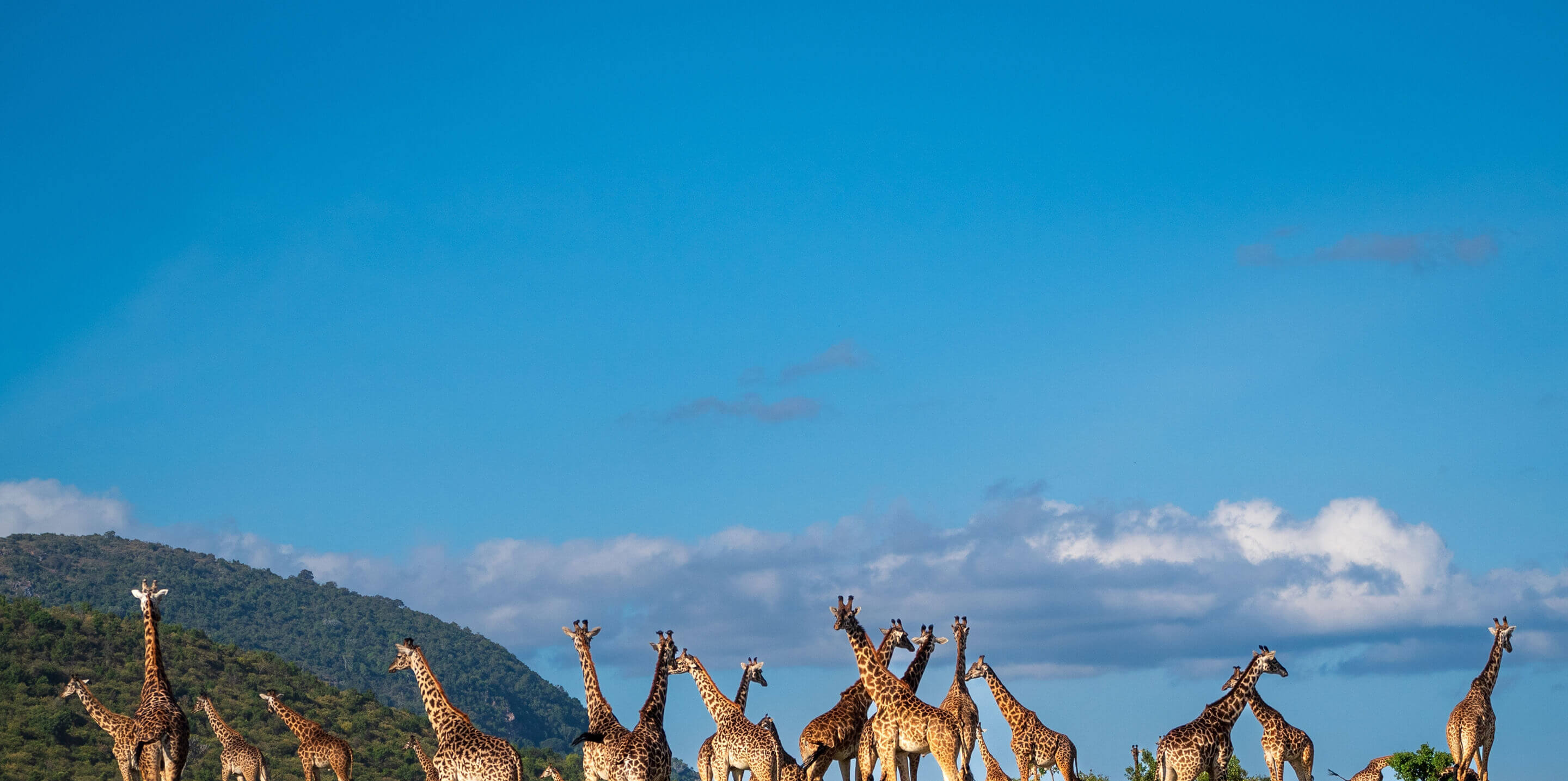
Best Travel Insurance Plans for a Safari
These are the top policies on Squaremouth that cover the most common risks of safari travel, including 100% cancellation reimbursement for high-dollar trips, and high limits for emergency medical care and evacuation from remote destinations.


See a complete breakdown of these plans and more in our full review of the Best Adventure Travel Insurance Companies of 2026.
What Is Safari Travel Insurance?
Safari travel insurance are policies that include safaris as a covered activity, which is often excluded by standard travel insurance policies.
Safari travel insurance usually comes in the form of comprehensive travel insurance policies that offer:
- Coverage for risky safari-related activities, like game drives or gorilla treks in the rainforest, which are commonly excluded by standard travel insurance
- Higher reimbursement limits for emergency medical evacuations and unexpected medical treatment when visiting remote areas
- Higher limits for cancellations and interruptions, in line with the elevated costs associated with safari-based itineraries
Safari Travel Insurance Topics
- Do I Need a Safari Travel Insurance Plan?
- What Does Safari Travel Insurance Cover?
- What Is Not Covered by Safari Travel Insurance?
- How Much Does Safari Travel Insurance Cost?
- Tips for Choosing the Right Safari Insurance Plan
- What Are the Most Popular Safari Destinations?
- FAQs: Safari Travel Insurance
- Related Articles
Do I Need a Safari Travel Insurance Plan?

Ideally, yes. We highly recommend buying travel insurance for safaris to ensure quick access to medical care while in the bush, and to protect your high trip costs.
The CDC notes that medical evacuation costs can exceed $100,000 from a remote area, and some sources cite bills over $500,000 for evacuation from spots like Mount Kilimanjaro, which is why having the proper travel medical coverage is very important.
Additionally, our 2026 sales data shows that the average Safari trip now costs travelers nearly $25,169. These trips are often non-refundable when booked through safari planners, especially close to the departure date, so having travel insurance with full Trip Cancellation and Trip Interruption coverage is the best option for protecting your investment.
What Does Safari Travel Insurance Cover?
Comprehensive travel insurance for a safari can include protection fromcommon disruptions like:
- Cancellations or interruptions of your trip due to illness, injury, or severe weather
- Hospital expenses due to an injury or illness, like malaria
- Emergency airlifts from a remote location
- Missing your safari departure due to a flight delay
- Risky activities, like safari trekking and hunting
- Loss or damage of high-value gear, like cameras, lenses, and binoculars
When choosing travel insurance for an African safari, focus on a plan’s cancellation, medical, and adventure activity coverage. Look for the following benefits.
When broken down to cost per traveler, the average safari cost over $12,000 per person, according to our internal sales data from the past 12 months. Therefore, Trip Cancellation coverage is one of the most important components of safari insurance.
This benefit reimburses you for prepaid, non-refundable trip costs if your trip is cancelled for a covered reason, like an unexpected illness or severe weather.
- Recommended coverage: 100% of your trip cost. Some policies have a lower trip cost limit per person, so be sure to opt for a plan with sufficient limits, such as the one we list above.
Our latest internal data shows that 82% of safari travelers go without CFAR and IFAR coverage.
Cancel For Any Reason (CFAR) & Interrupt for Any Reason (IFAR) are optional coverage upgrades that can cover situations traditionally excluded from standard Trip Cancellation or Interruption coverage.
These benefits are extremely valuable for safaris where commonly excluded scenarios are more prevalent, including:
- Level 4 travel advisories for certain regions of a country
- Travel warnings for Ebola and viral outbreaks
- Political instability
- Personal uncertainty around travel plans
Depending on the plan, you can get reimbursed for 50-75% of non-refundable costs if you need to cancel or interrupt your trip for a traditionally non-covered reason.
Emergency Medical insurance reimburses you for medical costs on your safari, like doctor fees for minor illnesses, ambulance fees, and hospital stays due to serious conditions like malaria or injuries from a jeep crash.
This coverage is essential since many safaris take place far from medical facilities and U.S. health insurance often doesn’t apply abroad. If you’re an older traveler, keep in mind that Medicare doesn’t cover medical care abroad. You’ll need a safari plan with sufficient medical coverage for seniors to fill this gap.
- Recommended coverage: $100,000+ per person
Medical Evacuation insurance can cover your transportation to a hospital from a remote location due to an illness or injury, like a jeep rollover on your way to a national park. This coverage is critical for safaris, where you may be hours from proper care and evacuation costs can be extremely high.
- Recommended coverage: $250,000+ per person
Similar to Trip Cancellation protection, Trip Interruption protection reimburses you for non-refundable costs in case you need to cut your trip short due to a covered reason, like an illness or injury. This not only protects the unused costs of your safari, but also covers the potentially high cost of returning home from a very remote location. For instance, if you cut your trip short due to the death of a close relative, this coverage could reimburse the cost of returning to the airport, your return ticket home, the remainder of the non-refundable cost for your safari, and other non-refundable activities and accommodations.
- Typically covers 150%-200% of your trip cost
Travel insurance can also protect you if a delay from a bush flight, a weather-related schedule change, or a missed connection between remote camps causes you to miss part of your trip.
This can offer you important support for an overnight hotel or meal expenses while you wait to be rebooked on the next flight.
You should make sure that your plan includes sports and activities coverage for any risky activities that you’ll be participating in, since standard travel insurance plans won’t cover these. You’ll find policies on Squaremouth targeted to activities like:
- Animal sanctuary/refuge work
- Camel/elephant riding/trekking
- Gorilla trekking
- Hot air balloon rides
- Hunting safaris
- Kilimanjaro (trekking ascent)
- Overland trips
- Safari trekking (where guns are carried by safari guides for safety)
- Scuba diving and parasailing
- Off-road car driving (4x4, dune buggying etc)
Sports Equipment coverage reimburses you for loss or damage of pricey safari equipment, which may not be covered by a standard baggage policy. On the policy certificate, you’ll find it listed under the baggage coverage, or as a separate benefit.
- Look for higher per-item limits of at least $500-$700, or the option to insure valuables separately.
- Watch out for limits on expensive equipment, like cameras and laptops.
24/7 Emergency Assistance gives you access to a 24-hour assistance hotline, which is especially important for remote travel. This matters for safaris because you’ll need the hotline to coordinate a medical evacuation and hospital care in case of an emergency. You can also get help for a variety of other travel needs, like walking directions, emergency cash replacement, help connecting to the U.S. embassy in case of civil unrest, or assistance with a non-medical evacuation.
What Is Not Covered by Safari Travel Insurance?
- Pre-existing conditions (without a waiver): Travel insurance typically excludes pre-existing conditions within a certain “lookback” period (usually 60-180 days before you purchased the policy). That said, many policies offer Pre-existing Condition waivers if you purchase the policy within 14-21 days of your first trip deposit.
- Cancelling due to fear/unrest at destination (without CFAR): Your policy won’t cover you if you need to cancel or interrupt your trip simply because of safety concerns at your destination. You’ll need to purchase CFAR coverage for this.
- Level 4 advisory destinations (often not covered): Most policies won’t cover cancellations due “Do Not Travel” warnings from the U.S. Department of State. These also require CFAR coverage.
- Activities not listed in your policy: If a safari plan doesn’t explicitly mention a specific activity like safari trekking, it may be excluded. Always check policy details or confirm with the provider before you purchase a policy.
You can use filters on our quote page to confirm that a policy includes the specific activities and coverages for your trip. Compare Quotes
How Much Does Safari Travel Insurance Cost?
Our internal booking data shows the average cost of safari travel insurance is $1,617.
(Booking data from Jan 1st to Jul 15th, 2026)
Generally speaking, travel insurance costs between 4%-10% of your total trip cost, but this also varies greatly depending on the type of coverage you choose, your age, destination, trip length, and more.
Therefore, we recommend getting a quote for exact pricing. Keep in mind that comparing policies from several providers is the best way to find an affordable policy with adequate coverage.
Tips for Choosing the Right Safari Insurance Plan
Choosing the right travel insurance comes down to:
- Understanding the risks of your trip and your coverage needs
- Searching for a policy that matches these needs
- Reviewing the policy documentation to make sure it will adequately protect you
Squaremouth can help you with all of these stages. Our online tool takes in your trip parameters to match you with policies that meet your coverage needs and lets you filter down to spot plans with your desired benefits and coverage levels. Our customer service agents are also well-versed in helping customers identify their coverage needs and spot pitfalls before they occur.
Here are some important angles to consider as you search.
Buy Safari Insurance Early
It’s best to buy insurance immediately after making your first trip deposit, as some of the most relevant travel insurance benefits for safari vacations are time-sensitive benefits.
For example, benefits like CFAR, IFAR, and financial default coverage are only available within 14- 21 days of your first trip payment.
Many providers will also offer to cover pre-existing conditions if you buy the policy within 14-21 days of your first deposit and meet their waiver criteria.
Buying early also ensures that any new medical issues or unforeseen events aren’t excluded from coverage.
Note, if the cost of your trip increases after you purchase insurance, we recommend contacting your provider to boost the insured trip cost on your policy.
Plan for the Remote Nature of Your Trip
Your safari will likely take you to a remote location hours from civilization and medical care. That means the medical costs of evacuating you and getting you to a hospital can be high. Look for plans with high coverage for Emergency Medical and Medical Evacuation. You can also customize policies on Squaremouth to increase these coverages.
Consider CFAR
Given the high price tag of a safari and the increased travel uncertainty in 2026, it may make financial sense to add CFAR coverage to your trip.
CFAR can cover trip cancellations for just about any scenario, as long as you cancel at least 2-3 days before your departure date.
That includes things like changes in government travel warnings, political instability in a country, airline strikes, and even unexpected job or family events.
Most policies offer a 14-21 day window from your first trip deposit to add CFAR coverage, so be sure to purchase your plan early.
Compare Your Options
Comparing plans is the easiest way to make sure you’re getting the right coverage for the best price, especially for a pricey safari package.
You can compare policies on Squaremouth, check directly with travel insurance providers, and also check with your safari operator. However, a benefit of using a comparison site is that you’ll only be shown policies you are eligible for and that match your trip parameters.
For example, some policies cap cancellation and interruption coverage at $10,000 per person, but if your reported safari costs more than this, Squaremouth will only show you policies that will cover your full trip cost.
Confirm Coverage with Safari Operator
Some safari operators require proof of travel insurance before allowing you to participate, particularly coverage for medical emergencies or evacuation. Make sure your plan meets their requirements.
Most Popular Safari Destinations
Most Popular Safari Destinations
We break down our travel insurance recommendations for the world’s most famous safari destinations.
If you already have a policy, have any questions for your travel insurance provider, or would like to file a claim, please contact your provider directly.



FAQs: Safari Travel Insurance
Yes, we strongly recommend purchasing safari-specific travel insurance that offers high cancellation limits, adequate coverage for Emergency Medical and Medical Evacuation, and adventure coverage. You should also make sure your policy covers activities on your trip like trekking and hot air ballooning.
Travel insurance may cover you for an animal attack, especially if you purchase a safari-specific plan. Your plan may cover medical treatment, an emergency evacuation, and return home if necessary.
The process for providing proof of safari insurance depends on your safari operator. When you buy travel insurance from Squaremouth, you’ll receive a confirmation email from your provider with your certificate and a summary of coverage from us. Your operator may ask you to email a copy of this insurance certificate, or you may be able to submit your certificate via a form on their site. You may also need to bring a physical copy of your insurance certificate to show the operator upon arrival. The operator may also ask for the insurance company’s name, Emergency Assistance phone number and your policy number.
Many travel insurance plans offer Emergency Medical coverage that can cover your malaria treatment, provided the limits are high enough to meet the costs of your treatment. Note, coverage only applies during your trip, and will not cover malaria treatment that you receive after you return home.
It depends. If you cancel your safari booking due to a covered reason, like illness or injury, or a weather disruption, your travel insurance plan will refund you. But if you cancel for a non-covered reason, like political instability or fear of getting malaria, most standard plans will not reimburse you for a safari. You can purchase CFAR coverage to have the flexibility to cancel your safari for other reasons.
Travel insurance can cover evacuation from a remote area on your safari, as long as you purchase a plan that covers safaris. You should ensure that your travel insurance plan includes Medical Evacuation coverage, and that the limit is enough (we recommend at least $250,000 in coverage) to cover most evacuation scenarios.
You should buy safari insurance as soon as possible after making your initial trip deposit. We recommend purchasing your policy within the first two weeks of your deposit to be eligible for time-sensitive benefits like CFAR, pre-existing condition coverage, and financial default coverage.
The best family travel insurance plans are Travel Insured International FlexiPAX and Berkshire Hathaway ExactCare. Both of these plans provide sufficient medical coverage and free coverage for kids.
No, your health insurance is unlikely to cover medical care in Africa. Most U.S. health insurance plans offer no or limited coverage for medical care abroad. Medicare in particular doesn’t cover healthcare outside the U.S. You should check with your insurer ahead of your trip to see if medical care is covered, and consider purchasing Travel Medical Insurance.
No, credit card travel insurance is not sufficient for a safari. Your card’s insurance may be able to cover things like trip cancellation and interruption, provided the cost of your safari isn’t too high. But your card likely won’t cover Emergency Medical or Medical Evacuation, or coverage will be very limited.
AMREF Flying Doctors (AFD) is the world’s leading international humanitarian air ambulance service based in Africa. It provides air evacuation for critically ill and injured patients in remote locations across East Africa. You can purchase a tourist plan directly from AFD that will cover the costs of an evacuation. Travel insurance with Medical Evacuation coverage should also cover AFD evacuations, though you may consider purchasing directly from AFD if you want faster service. AFD may not dispatch a flight to rescue you until it receives guaranteed payment from your insurer.
Depending on your travel insurance policy, you may be able to get reimbursed for your trip costs if your safari operator declares bankruptcy before your trip. Some policies offer riders for cancellations due to financial default of travel operators. These riders are generally time-sensitive and require you to purchase the plan within a couple of weeks of your initial deposit.
Related Articles
Travel Advice 6 min read
Is Honeymoon Travel Insurance Worth it?
Your honeymoon is a special time to celebrate your love, but even the best-laid plans can face unexpected disruptions. This is part of...
Read MoreBenefits 5 min read
Why Cancel For Any Reason (CFAR) Travel Insurance is Your New Travel MVP
You’ve mapped out every detail of your vacation—flights...
Read MoreResources 5 min read
Destination Country Information
Travel Insurance Requirements and Recommendations ...
Read MoreLast updated: October 12, 2026