Best Ski Travel Insurance Plans
Ski and snowboard trips carry higher risks. Choosing a plan with winter sports coverage is key to protecting your health and investment. Ski and snowboarding travel insurance is especially important for international ski trips, where your personal health insurance likely won’t cover medical costs. The policies below offer strong protection against sport-related injuries, lost gear, and other costly disruptions.



See a complete breakdown of these plans, and other popular plans geared towards winter travel, in our full review of the Best Adventure Travel Insurance Companies of 2026.
What is Ski Insurance?
Ski travel insurance is a type of policy that offers coverage for ski-related injuries, expenses, and equipment. While most standard travel insurance plans exclude high-risk activities, these policies include unique benefits and higher coverage limits that cater to the risks and challenges of ski and snowboard vacations.
Many of these plans can also reimburse prepaid expenses, like lift tickets, airfare, and lodging, if you’re forced to cancel your ski trip due to severe weather, injury, illness, or other covered reasons.
Here are a few of the different types of winter activities that can be covered by adventure travel insurance:
- Downhill Skiing & Snowboarding
- Backcountry skiing (with or without a guide)
- Cross-country skiing
- Heli skiing or snowboarding
- Mogul skiing
- Recreational skiing or snowboarding
- Terrain park (skiing or snowboarding)
- Ski Jumping
Winter Sports Travel Insurance Topics
- Do I Need Travel Medical Insurance for a Ski Trip?
- What Does Ski & Snowboard Travel Insurance Cover?
- What Is Not Covered by Snowboarding and Ski Travel Insurance?
- How Much Does Snowboarding & Ski Insurance Cost?
- Where Can I Buy Travel Insurance for My Ski Trip?
- Is Ski Insurance Worth It?
- FAQs: Winter Sports Travel Insurance
- Related Articles
Do I Need Travel Medical Insurance for a Ski Trip?

Travel insurance is not required, but it is a smart investment when planning a ski trip, especially if you’re traveling internationally or visiting a remote destination.
While your primary health insurance may cover you locally, coverage is extremely limited overseas and may result in high out-of-pocket medical costs if you don’t have proper protection.
Standard travel insurance policies may exclude high-risk activities, so it’s important to make sure your policy offers coverage for skiing, snowboarding, and any other winter sport you have planned. This way, you’re covered if you get injured, require an evacuation, or damage your equipment on a run.
Some guided ski touring and backcountry ski operators in destinations like the Swiss Alps and Japan even require participants to carry travel insurance that includes winter sports coverage, emergency medical evacuation, and search-and-rescue benefits due to the high-risk nature of these trips. If you are traveling as part of a tour, always check your operator’s insurance requirements.
How Common Are Snowboard and Ski-Related Injuries?
While many resorts don’t publicly share injury data, the Consumer Product Safety Commission (CPSC) estimates more than 120,000 winter sports-related injuries each year in the United States alone. These injuries aren’t exclusive to thrill-seekers, either. The National Ski Areas Association (NSAA) reports that the majority of these incidents occur on-piste on groomed, intermediate trails.
Historically low snowfall in recent years means fewer ski runs are open with denser crowds. Plus, the lack of snow can lead to packed, icier conditions and can increase the chance of injury due to a harder impact when you fall.
Head injuries are the leading type of injury in snow sports, occurring in 47% of skiing and snowboarding accidents. A traumatic head injury can potentially land you in rehabilitation and require 14 days or more of treatment, according to the National Institutes of Health. This could amount to a hefty hospital bill, especially if the injury is severe and requires an ICU stay. Also, a helicopter rescue off the slopes due to an injury could cost well over $100,000, depending on the remoteness of the location.
While relatively uncommon, these numbers show why most travel insurers exclude skiing and snowboarding from standard coverage. Nevertheless, specialized plans are available.
To see exact pricing for your trip, try our travel insurance comparison tool. Simply enter your trip details to see all available plans and prices. Start a Quote
What Does Ski & Snowboard Travel Insurance Cover?
While most standard plans exclude protection for adventure activities like skiing and snowboarding, winter sports travel insurance policies are built to cover accidents, injuries, and other disruptions you experience out on the slopes.
These policies also serve as comprehensive protection for the duration of your trip, offering reimbursement for common scenarios like flight cancellations, delays, baggage loss, and more.
Here is a closer look at what ski insurance can cover:
Emergency Medical coverage can pay for costs incurred in the event of an illness or injury, such as hospital bills and doctor visits, if you become injured or ill during your trip. This includes accidents like fracturing a wrist while breaking a fall, spraining an ankle on a ski slope, dislocating a shoulder after a collision, or experiencing frostbite due to extreme temperatures. We recommend plans with at least $100,000 in Emergency Medical coverage.
The Medical Evacuation benefit can cover the cost of emergency medical evacuation services to the nearest adequate medical facility. This could include being airlifted by helicopter or transported by snowmobile to a nearby hospital for care.
The CDC reports that helicopter rescues and mountain evacuations can be extremely expensive, sometimes costing over $100,000 depending on your location and condition. For that reason, you should only consider policies that offer at least $250,000 in evacuation coverage, especially if you’ll be skiing in remote alpine areas or resorts with limited medical facilities.
Trip Cancellation protection provides reimbursement for up to 100% of your prepaid, non-refundable travel expenses if you need to cancel your ski trip. Common covered cancellation reasons include unexpected illness, injury, or severe weather that shuts down travel in your area or destination.
Most commonly, this includes coverage for flights and hotels. However, ski travel insurance can also reimburse sports fees like lift tickets, guided lessons, and equipment rentals.
When choosing a policy, confirm that the plan offers enough Trip Cancellation protection to cover all of your travel expenses, including those specific to skiing or snowboarding.
Inclement Weather coverage provides reimbursement for unused trip expenses if you need to cancel your trip or cut it short due to severe weather at your destination. This is included within most travel insurance plans within the Trip Cancellation benefit.
Sports Equipment Loss coverage reimburses you if your gear is lost, stolen, damaged, or delayed during your covered trip. This coverage typically extends to:
- Skis and snowboards
- Ski boots and snowboard boots
- Poles
- Helmets and goggles
- Bindings and protective gear
Sports Equipment Delay is another benefit included in ski insurance plans. With this protection, your provider may cover the rental equipment costs if your personal gear is delayed en route to your destination.
Search and Rescue Coverage can pay for an organized search and rescue operation if you get lost or become stranded while skiing, snowboarding, or participating in another covered winter sport. That said, this coverage is not offered on all plans, so if this is important for your trip, be sure to read the fine print to confirm coverage.
Some ski travel insurance plans will reimburse your prepaid, non-refundable costs if your ski resort closes due to a covered event. This coverage typically applies if your accommodations are rendered uninhabitable by:
- Severe weather events, such as ice storms or heavy snowfall
- Natural disasters, like an avalanche
- Power outages that affect the facility
If you’re forced to end your trip early due to a covered reason, Trip Interruption coverage can reimburse you for unused travel expenses like lodging reservations, transportation expenses, rental fees, and more. Some plans may also reimburse additional costs incurred to make new travel arrangements back home.
If you experience a significant flight delay during your trip, your Travel Delay coverage can reimburse meal and accommodation expenses while you await your new departure time. A commonly covered delay scenario during winter seasons is snowstorms or icy conditions at your destination that cease flight operations for an extended period of time.
This benefit may also cover unforeseen expenses if poor weather conditions result in road or airport closures that prevent you from returning home on time.
If you want maximum flexibility, some ski travel insurance plans offer Cancel For Any Reason (CFAR) as an optional upgrade. This add-on lets you cancel your ski trip for a partial reimbursement for reasons not already covered by standard Trip Cancellation. This includes anything from cancelling because there’s a lack of snow on the slopes or because your group had a sudden change of plans. CFAR will typically reimburse 50-75% of non-refundable costs depending on the plan.
CFAR is a time-sensitive benefit. To qualify, you must purchase coverage within 14-21 days of your initial trip deposit date and insure 100% of your travel expenses.
To see exact pricing for your trip, try our travel insurance comparison tool. Simply enter your trip details to see all available plans and prices. Start a Quote
What Is Not Covered by Snowboarding and Ski Travel Insurance?
Travel insurance exclusions vary by provider. Most plans that cover skiing and snowboarding typically won’t cover the following scenarios:
- Drug and alcohol use: Travel insurance will not reimburse you for injuries, illness, and other disruptions resulting from drug or alcohol use.
- Extreme winter sports: In a similar vein, other related winter sports like ice climbing or terrain park competitions require additional coverage or more specialized protection. Ensure you search for all sports activities you plan to do to ensure they aren’t excluded from your travel insurance coverage.
- Forecasted weather events: Weather-related coverage is excluded when a severe weather event was forecasted or named before buying your travel insurance policy. To ensure you are covered, buy a policy early before weather events are forecasted.
- Pre-existing medical conditions: Some policies exclude coverage relating to a medical condition you had before you bought your policy. To avoid this, look for plans that offer a pre-existing conditions waiver.
- Illegal & Illicit acts: Travel insurance will not cover injuries, accidents, or other scenarios resulting from unlawful acts committed by the insured, family member, or traveling companion.
Even the most robust winter sport travel insurance policies are not all-encompassing. All travel insurance policies feature exclusions that outline the expenses, events, and scenarios that are not eligible for reimbursement in the event of a claim.
View your policy’s Certificate of Insurance for a full list of travel insurance exclusions.
How Much Does Snowboarding & Ski Insurance Cost?
How Much Does Snowboarding & Ski Insurance Cost?
Ski and snowboarding travel insurance costs $275 on average. This figure is based on adventure travel insurance policies with travel dates from the most recent ski season (November 1, 2025 - April 1, 2026).
With an average trip length of 12 days, you can expect to pay roughly $23 per day for ski coverage. Most adventure policies sold on Squaremouth are comprehensive, where premiums are heavily dictated by your travel expenses. Other factors that can impact your travel insurance costs include your age, destination, trip length, and state of residence.
If budget is a primary consideration, we recommend travel medical plans. At an average price of just $5 per day, this type of plan can protect you from ski accidents and other disruptions, but will not protect your travel expenses from unexpected cancellations or interruptions.
Winter Sports Coverage Cost by Destination
As mentioned above, your destination can play a role in determining your insurance premiums, particularly if you are traveling abroad for extended periods of time.
Below are the average premiums for the top ski destinations during the most recent ski season (November 1, 2025 - April 1, 2026).
| Destination | Avg. Premium | Avg. Trip Length | Avg. Cost per Day |
|---|---|---|---|
| Austria | $221 | 12 | $18.42 |
| Canada | $256 | 9 | $28.44 |
| France | $214 | 10 | $21.40 |
| Japan | $293 | 14 | $20.93 |
| Switzerland | $272 | 11 | $24.72 |
| USA | $242 | 8 | $30.25 |
The table above is based on comprehensive policy sales data on Squaremouth. As the figures show, European ski destinations like Austria and France reported some of the lowest average premiums for ski insurance this past winter due to lower average trip costs.
Who Should Buy Ski Travel Insurance?
- Groomed-trail skiers and snowboarders: Most ski travel insurance policies are built to cover all levels of skiers that stick to the marked trails. Look for a policy that covers recreational skiing.
- Families: Many family-friendly travel insurance plans allow children under 18 to be added at no extra cost. Look for policies that cover the whole group under one plan, and confirm that ski-related injuries are covered for all ages, not just adults.
- Frequent skiers and snowboarders: If you travel often to resorts outside the U.S., an annual travel insurance plan may offer better value than purchasing a separate policy for each ski trip.
- High-risk skiers and snowboarders: Many standard ski policies exclude off-piste, backcountry, and heli-skiing entirely, so we recommend using Squaremouth activity filters to narrow down plans that offer coverage specifically for these high-risk adventures.
What To Look For When Choosing A Ski Policy
The right ski travel insurance depends on your destination, budget, and coverage needs, but here are some tips to make sure you find the perfect policy for your trip:
- Strong Medical Benefits: Look for plans that include at least $100,000 in Emergency Medical coverage and $250,000 in Medical Evacuation protection. Opt for primary coverage when possible for less paperwork and faster claims resolution.
- Winter Sports Are Covered: Verify that skiing, snowboarding, or other planned winter sports are explicitly covered by your plan before purchase. This is especially important for higher-risk activities like heli-skiing and terrain park riding.
- Sports Equipment Protection: If you’re taking your own skiing equipment, find policies that provide reimbursement in the event of damage, theft, or delays.
- CFAR Upgrades: This add-on can be a smart investment for trips that rely on specific weather conditions or that include high upfront costs.
- Ski-Specific Benefits: Some plans include coverage for lift tickets, rental gear, and slope closures, providing tailored winter sports protection.
Where Can I Buy Travel Insurance for My Ski Trip?
Ski travel insurance can be purchased through a comparison site, directly from a provider, or from travel suppliers. We recommend comparing plans from multiple sources before purchasing coverage for your upcoming winter adventure to get the best coverage at the lowest possible price.
Travel insurance marketplaces allow skiers and snowboarders to compare travel insurance plans from the nation’s top travel insurance providers in one place. You can quickly filter results to only show plans that cover winter sports, making it easier to find the best policy for your trip and budget. Squaremouth, in particular, offers more winter sports coverage options than any other travel insurance comparison site. Best of all, these websites offer the same prices as you would find if you shopped directly with a provider.
If you’ve purchased ski insurance in the past, you may have a provider with whom you had a good experience. In this case, shopping around may not be necessary. Buying direct from an insurer gives you a single point of contact throughout your entire journey, from purchase all the way to claim. The trade-off is that you’re comparing fewer options, and prices are the same as you’d find on a marketplace.
Airlines, ski resorts, and tour operators sometimes offer travel protection when booking a trip. While convenient, these plans are often more expensive and may provide less coverage than policies purchased through other sources. If you choose this route, be sure the policy specifically covers skiing and snowboarding, including any off-piste or backcountry riding you plan to do.
Is Ski Insurance Worth It?
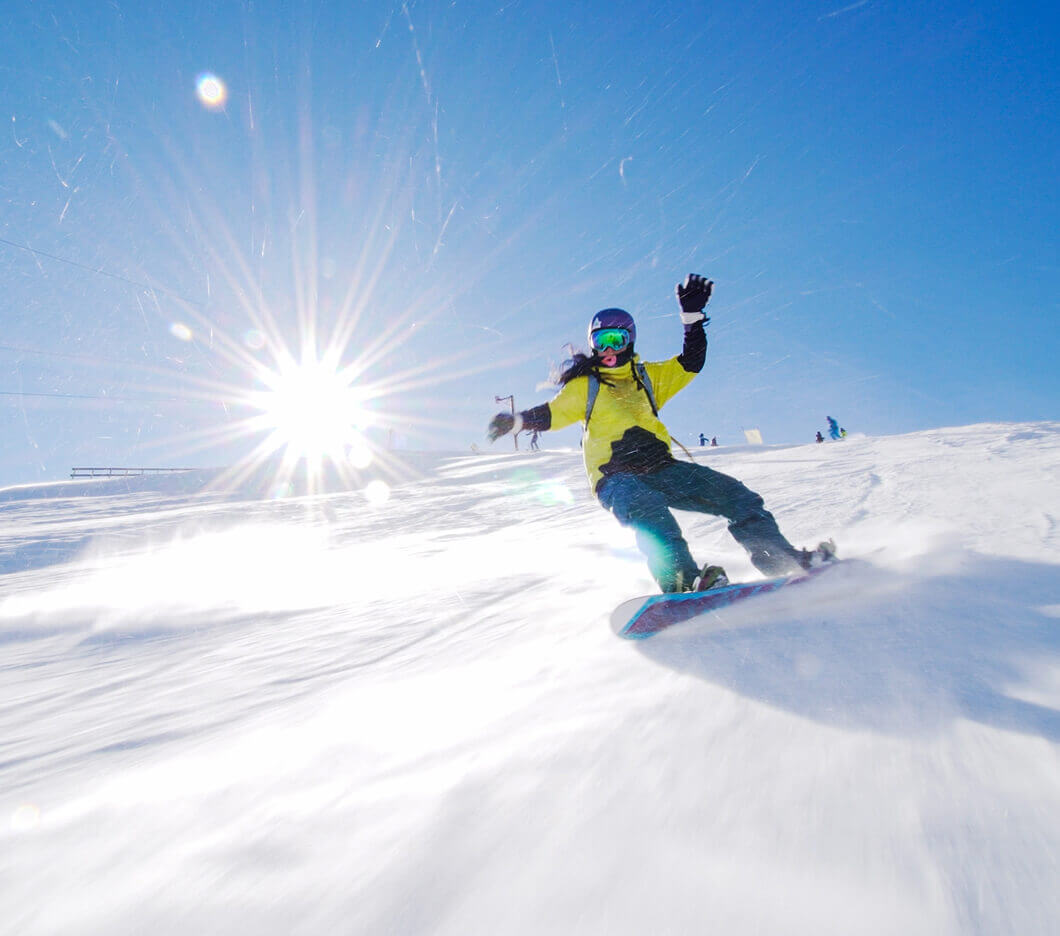
Is Ski Insurance Worth It?
Absolutely. Travel insurance is strongly recommended, and sometimes required, when planning a ski or snowboard vacation.
No matter how experienced you may be, skiing and snowboarding are both considered high-risk activities that can result in serious injury. Steep terrain, high speeds, and unpredictable weather conditions can cause serious problems on the slopes, leading to costly medical emergencies and evacuations.
For less than $25 per day, you can purchase a comprehensive winter sports travel insurance plan that can cover everything from a broken leg on the slopes to a flight delay that keeps you from enjoying the fresh snow. Many adventure plans also protect your sports equipment throughout your trip, covering damage, loss, theft, or delays.



FAQs: Winter Sports Travel Insurance
If you’re injured while skiing or snowboarding, your travel insurance can help cover the cost of transporting you to the nearest medical facility and reimburse you for the medical expenses related to your injury. For coverage to apply, you must purchase a policy that includes the Sports & Activities travel insurance benefit.
If you’re overseas, a hospital may require upfront payment to provide treatment. Some travel insurance providers can provide payment on your behalf, so there are no delays in getting the care you need. If this is important for you, look for plans with Primary medical coverage.
No, not all winter sports are excluded from coverage. Recreational sports like tubing, sledding, curling, ice skating, and snowmobiling on marked trails are sometimes covered by standard travel insurance.
Winter sports that involve higher risk, such as skiing, snowboarding, and snowshoeing, often require specialized coverage due to the increased chance of getting injured during your trip.
Coverage for off-piste skiing and snowboarding varies by plan. Many providers classify off-trail skiing and snowboarding as a “dangerous activity” or “extreme sport.” For that reason, there may be few options available when looking for coverage for trips that involve off-marked trails.
Most winter sports travel insurance plans will protect your skis, snowboard, or other winter sports equipment for the duration of your trip, including during transit. If your equipment is delayed en route to your destination, your travel insurance policy can cover the cost for rental gear while you wait for your belongings to arrive.
Competition skiing or snowboarding is generally not covered by standard travel insurance policies, as professional and organized sports are often excluded. However, there are some adventure travel insurance policies that offer protection for ski and snowboard competitions.
To find this protection, navigate to the ‘Trip-Specific Coverage’ section of the sidebar when looking at your quote results. Once there, use the ‘Sports & Activities’ dropdown menu to find the exact type of activity you’re participating in to show available plans.
Some plans can reimburse your non-refundable season pass and lift ticket expenses if you’re forced to cancel your trip for a covered reason, such as an unexpected injury or illness. To be covered, you must purchase a comprehensive travel insurance plan and include your season pass expenses when calculating your total trip cost.
Yes, some policies will reimburse prepaid costs if a resort closes for a covered reason. Coverage typically applies when accommodations are rendered uninhabitable by outside forces, like severe weather, power outages, and natural disasters.
Contact your provider directly to confirm if resort closures are covered and how that coverage applies. Keep in mind that any reimbursement or refund you receive from the resort may impact your ability to file a travel insurance claim.
Your personal health insurance may cover accidents inside the U.S. However, most health insurance policies don’t cover ski or snowboarding accidents that occur while traveling internationally. For this reason, you’ll need medical travel insurance if you’re skiing outside the U.S.
No, skiing is often excluded from standard travel insurance as a hazardous activity. You need to ensure your plan covers skiing and snowboarding, including specialized snow activities that you’ll be participating in, like heli-skiing or backcountry skiing.
“Off-piste” means skiing or snowboarding in an ungroomed or unmarked area. U.S.-based travel insurance companies generally don’t use this term. They’re more likely to use phrases like “off-trail”, “ungroomed terrain”, “backcountry”, or “out-of-bounds”. However, you may see it in international ski insurance policies like World Nomads, which are available to U.S. citizens.
Most travel insurance companies require you to purchase ski travel insurance ahead of your trip. However, some ski-specific providers like World Nomads may allow you to purchase ski insurance during your trip.
Yes, ski travel insurance may cover the cost of prepaid, non-refundable lift passes if the plan includes sports fee coverage. Many ski insurance plans include this benefit at no extra cost. You should review your plan’s trip interruption section to confirm that it includes sports fee coverage.
A medical evacuation involves transporting you to a medical facility when you are sick or injured; for instance, transporting you by helicopter from the ski slope to a nearby hospital due to a traumatic injury. A mountain rescue, on the other hand, involves extracting you from an inaccessible location, like for instance, the side of a cliff that you fell down while backcountry skiing.
Related Articles
Resources 5 min read
Best Adventure Travel Insurance Plans for 2026
We analyzed 100+ policies and found the best adventure ...
Read MoreBenefits 5 min read
Sports & Activities
What is the Sports & Activities Travel Insurance Benefit? ...
Read MoreLast updated: October 23, 2026