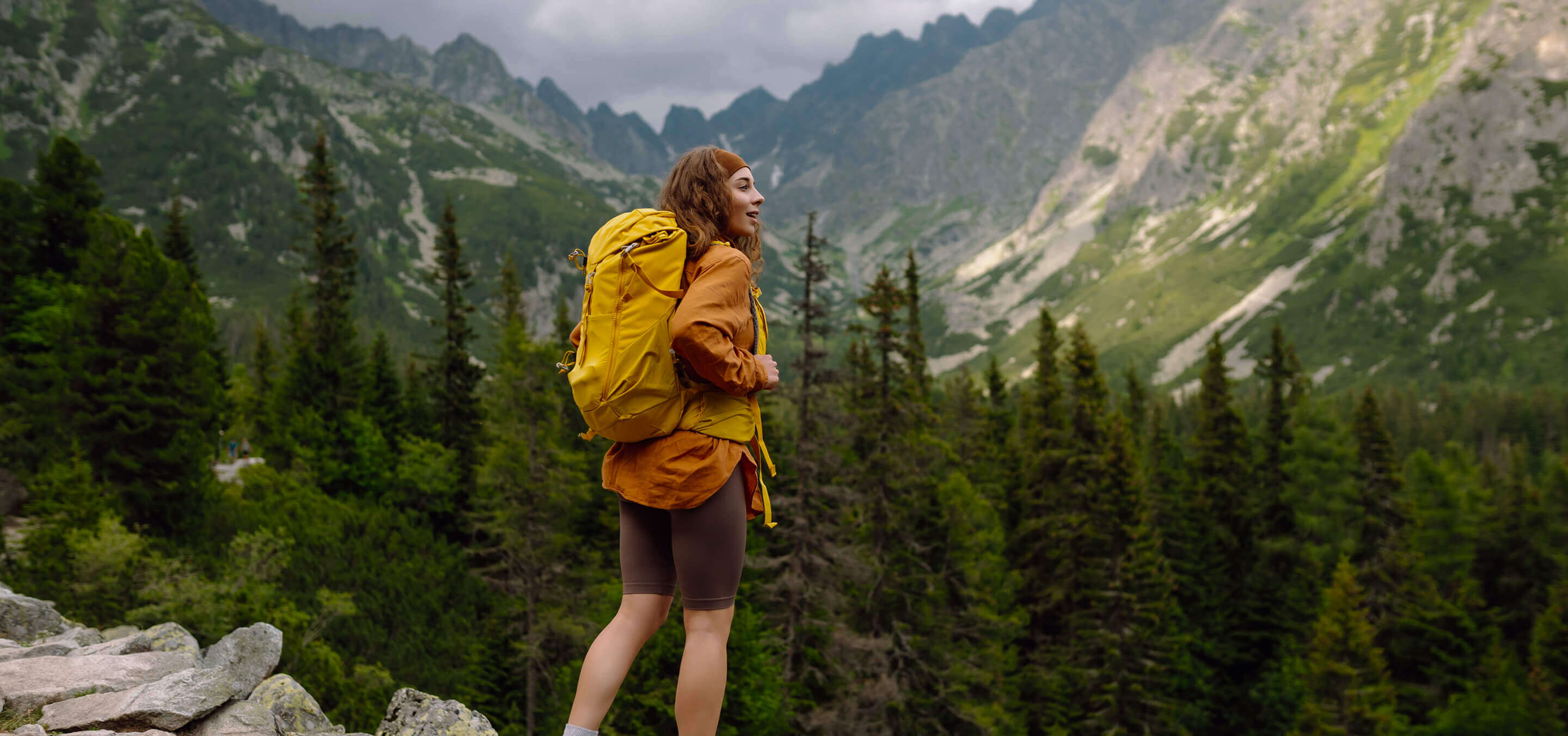
Top Hiking Travel Insurance Plans
Many travel insurance plans can cover hiking. To find the best plan, look for one with Sports & Activities coverage, high benefit limits for medical treatments and emergency evacuations, and equipment protection.



For more details, see our full list of the best adventure travel insurance plans for 2026 and learn why these made the cut.
What is Hiking Insurance?
Hiking insurance is designed to cover all the various types of disruptions you may encounter on a hiking or trekking expedition. This includes incidents such as a twisted ankle on the trails or an evacuation from a remote, mountainous area. Some hiking insurance plans also cover the cost of search-and-rescue operations if you go missing during your trip.
Most standard travel insurance policies cover beginner hiking activities, such as hiking at low elevations without crampons or harnesses. However, more high-risk and higher elevation expeditions often require specialized coverage. Some tour operators require this type of coverage so that you’re protected from costly out-of-pocket expenses.
Do I Need Trekking & Hiking Insurance?

Trekking insurance isn’t mandatory, but it’s highly recommended if you’re planning a hiking trip.
Hiking insurance provides valuable protection if something goes wrong before or during your trip, such as severe weather hitting your destination or a rolled ankle on the trail.
However, hiking insurance isn’t always necessary. It all depends on the nature of your trip, and most importantly, your risk tolerance. If you’re an experienced hiker and you’ve never encountered a troubling situation before, you might be comfortable traveling without hiking insurance. But if you’re looking for peace of mind ahead of your hiking adventure, this coverage may be right for you.
What is Covered by Hiking Travel Insurance?
Hiking insurance can cover many situations that might derail a hiking adventure, like an emergency medical evacuation, cancelled flights, and inclement weather. Here’s a closer look at the main things a hiking insurance policy may cover.
Hiking insurance offers Emergency Medical coverage in the event you get sick or injured on your hiking trip. It can pay for things like doctor visits, hospitalizations, and ambulance services. So, for example, if you think you have heat stroke after descending from a hike, your plan could reimburse you for an emergency room visit and whatever treatment you need. Look for hiking plans that include at least $100,000 in Emergency Medical coverage.
If you need to be medically evacuated from the trail, your hiking and trekking insurance policy can cover the cost of taking you to the nearest hospital that will treat your condition. This includes helicopter evacuations and ambulance transport. The plan can also cover evacuation expenses if you need to be flown back to your home country to receive medical attention.
Medical evacuations can be costly. An emergency medical evacuation by airplane can cost anywhere from $25,000 to more than $250,000, according to data from the CDC. We recommend choosing a plan with at least $250,000 in Medical Evacuation coverage for the most protection.
Search & Rescue (SAR) coverage can reimburse the cost of finding and rescuing a hiker who has gone missing during a trek. SAR insurance can cover costs like fuel, organizing a search party, renting a vehicle, and using equipment that’s required to find you.
For your plan to reimburse search and rescue expenses, you usually have to meet certain requirements:
- Most insurers require a formal report to be filed by an agency that can organize rescue efforts.
- The search team must have enough credible information with specific details about where you might be located.
- The rescue team must confirm that search and rescue is needed to find you.
Note: not all hiking insurance plans have SAR coverage. If this type of coverage is important to you, look specifically for plans that include it.
If you’re planning to participate in other activities as part of your hike, like ice climbing or canyoning, you should get a travel insurance policy that includes Sports & Adventure coverage. These plans can cover hiking, in addition to other activities you may participate in during your trip.
Standard trekking and hiking insurance policies can cover Baggage Loss. If your hiking gear gets damaged or lost while you’re traveling, your plan can reimburse you for the value of those items, up to the policy’s limit. This can include equipment such as hiking boots, backpacks, tents, and more.
Additionally, hiking insurance can cover Baggage Delays if you arrive at your destination before your luggage does. Your plan may also reimburse the cost of renting the hiking gear you need if your luggage doesn’t get there on time.
Hiking and trekking insurance often includes 24/7 travel assistance for emergencies and non-urgent scenarios. If you need help, you can contact your insurance company at any time, anywhere in the world. You can typically get help with things like finding a medical professional or arranging an emergency evacuation, among others.
Hiking insurance can cover prepaid and non-refundable travel expenses if your trip gets cancelled, interrupted, or delayed due to a covered reason.
Trip cancellations and trip interruptions: If your trip gets cancelled before you depart for a covered reason, your insurance policy can reimburse you for the money you have already spent. This includes coverage for prepaid expenses like flights, hotels, and guide costs. Hiking insurance can also cover interruptions that occur after you’ve departed.
Travel delays: Trip Delay insurance can reimburse costs associated with a trip delay. If your flight is significantly delayed, your policy could pay for an overnight hotel stay and food at the airport. It’s common for travel insurance policies to cover anywhere from $100 to $5,000 per person, with a maximum coverage limit of $100 to $300 per day.
Inclement weather can be a real concern when you’re going on a hiking or trekking expedition, especially in certain destinations. Fortunately, hiking insurance can cover severe weather and natural disasters when it cancels, interrupts, or delays a trip, or if it requires an emergency evacuation.
To see exact pricing for your trip, try our travel insurance comparison tool. Simply enter your trip details to see all available plans and prices. Start a Quote
How Much Does Hiking Insurance Cost?
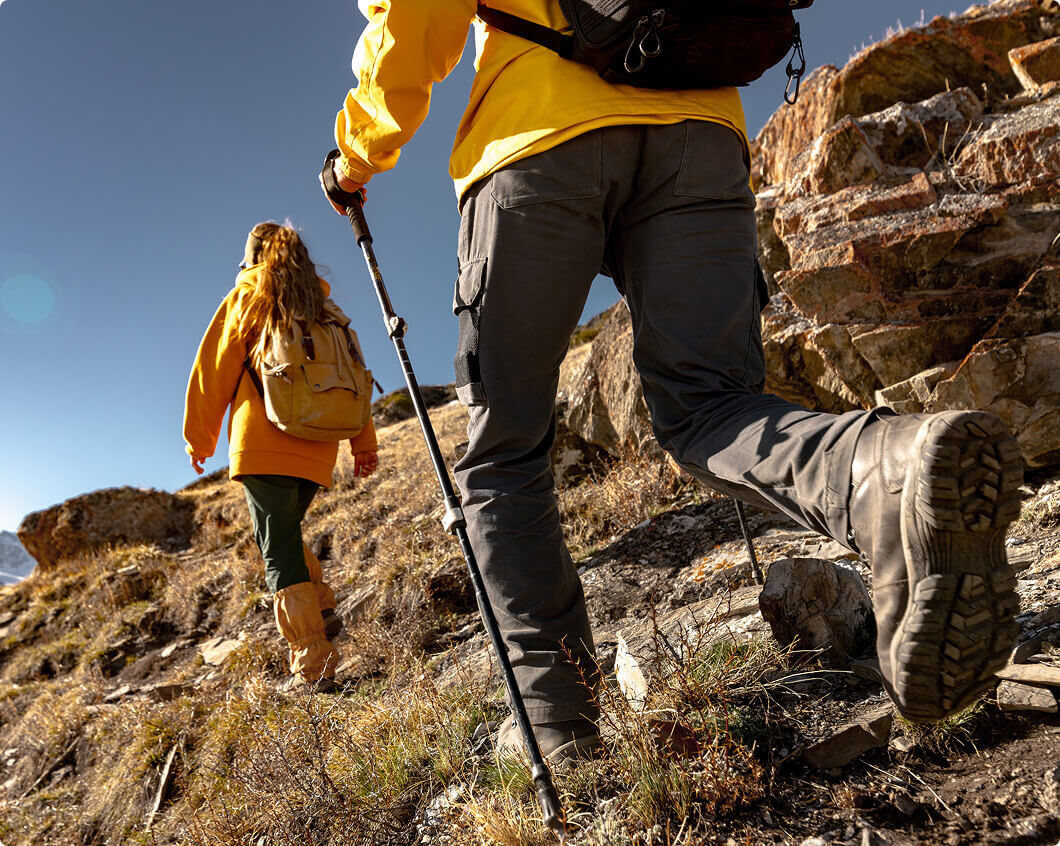
How Much Does Hiking Insurance Cost?
The average cost of a comprehensive hiking insurance policy is $440.
As a rule of thumb, you can expect your policy to cost 4-10% of your prepaid, non-refundable trip costs. Other factors that determine premiums include age, trip length, number of travelers, and the coverage limits offered by a plan.
Based on Squaremouth sales data from the past 12 months, the average hiking trip lasts 14 days. With that in mind, you can expect to pay around $31 per day for coverage.
If comprehensive coverage is outside of your budget, you can always opt for travel medical insurance that covers you for medical emergencies and evacuations. While this coverage is more limited, it is also more affordable, averaging just $5 per day.
Where Can I Buy Hiking Travel Insurance?
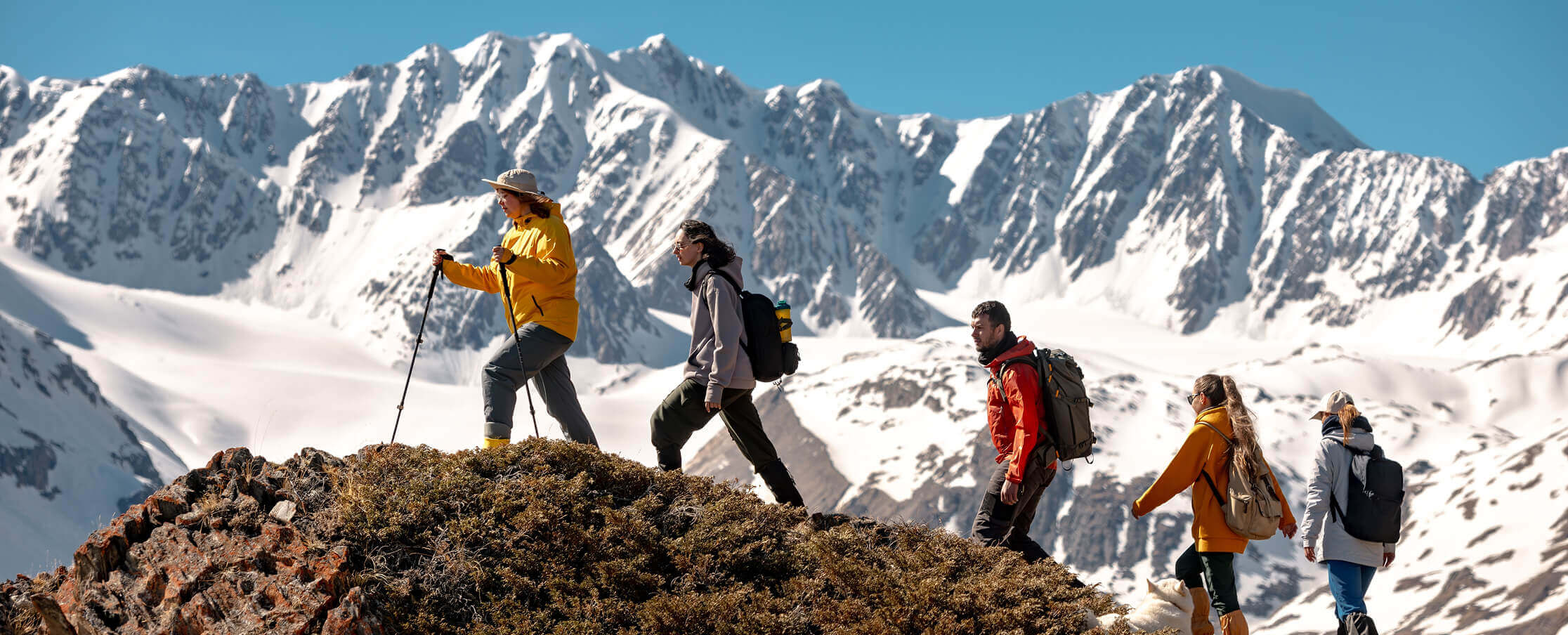
You can buy hiking insurance directly through an insurance company, through a travel insurance comparison site like Squaremouth, or from an outdoor company. Learn more about each option and how to decide which one is right for your needs.
Buying hiking insurance directly through a travel insurance company, like Tin Leg, battleface, or World Nomads, allows you to choose an insurer that meets your specific needs. Many insurers also provide customizable coverage, with the option for add-ons that can extend your protection. However, you won’t be able to easily compare plans and quotes from multiple insurers.
Using a travel insurance comparison site, like Squaremouth, simplifies the process of finding the best hiking insurance plan for your needs. You can compare plans and quotes from many different insurance companies using a single application. As the largest travel insurance comparison site in America, Squaremouth offers 100+ plans from over the nation’s top insurance providers, making it quick and easy to compare coverage and cost.
Some tour operators and outdoor gear companies offer insurance coverage to customers. For example, if you own a qualifying Garmin device, you can purchase Garmin SAR Travel Insurance, which can reimburse search and rescue costs.
One of the advantages is that you get specialized coverage for the unique risks of your trip, without paying for anything extra. You can contact search and rescue directly, without going through the insurance carrier. Some companies, like Global Rescue, also offer high-altitude plans that are ideal for certain locations, like Kilimanjaro.
Of course, the main downside is that these plans provide limited coverage for other travel-related headaches, like trip cancellation and lost baggage.
Is Comprehensive Hiking Insurance Worth It?

Is Comprehensive Hiking Insurance Worth It?
If you’re planning a hiking trip, travel insurance is absolutely worth it.
These plans can provide excellent coverage at a relatively affordable price. Not only will it pay for emergency medical expenses, but it can also cover emergency medical evacuation and search and rescue efforts.
Travel medical insurance is extremely valuable if you’re traveling abroad where your U.S. health insurance plan isn’t accepted. If you’re traveling domestically, and you have health insurance, your policy will likely cover any emergency medical care you might need.
Comprehensive travel insurance can also be worth it. You’ll pay a few extra dollars per day, but you will have coverage for a potential trip cancellation or interruption. If you’re pre-paying most of your trip costs, comprehensive travel insurance is a smart decision.



FAQs: Hiking & Trekking Insurance
If you get injured while hiking, you can use your travel insurance to get medical care locally. Your plan can cover expenses such as ambulance services, hospital stays, and the cost of treatment. If you need assistance finding a doctor or hospital, call your travel insurance company’s 24/7 emergency line. The phone number will be listed in your insurance documents.
Depending on your travel insurance plan, you’ll either have primary or secondary medical coverage. Primary coverage kicks in first to pay for your medical bills, even if you have health insurance. If you have secondary coverage, your travel insurance will only cover your medical costs after your primary insurer has paid its portion of the claim.
Air ambulance services can be beneficial for hikers, especially if you’re trekking into remote areas. However, it’s important to understand that these are air ambulance services, and companies like Global Rescue and Medjet only cover transport. They cannot cover your medical expenses, which is one reason trekkers and hikers often opt for comprehensive travel insurance instead.
Yes, some travel insurance companies cover trips to high-altitude locations, like the Everest Base Camp Trek and K2 Base Camp. When you use Squaremouth to compare plans, you can filter for policies that cover Everest Base Camp. Because Everest is higher, any plan that covers Everest Base Camp will also cover K2 Base Camp.
Most travel insurance plans only cover emergency medical evacuations under a certain altitude, with limits ranging from 2,700m to 7,000m. The most common threshold is 4,500m, which is roughly 15,000ft.
That said, Squaremouth offers a hiking filter that highlights plans without any height restrictions, ensuring you can find coverage for your desired activities.
A travel insurance policy for a hiking trip should cover emergency medical expenses, search and rescue, and emergency evacuation and repatriation. Make sure to choose a policy that will cover you at the altitude you’ll be trekking at. You should also look for a policy that covers baggage loss and delays, so you can rent hiking gear if yours doesn’t make it.
Keep in mind that some plans exclude hiking from coverage based on more than just elevation. For example, using ropes, harnesses, or a hired guide can also trigger an exclusion. Before you buy coverage, carefully review the policy’s exclusions section to confirm hiking or trekking activities aren’t excluded for your specific trip.
Related Articles
Plans 5 min read
Adventure Sports
Several adventure sports travel plans stand out among the ...
Read MoreBenefits 5 min read
Sports & Activities
Sports & Activities is a travel insurance benefit that ...
Read MoreLast updated: October 23, 2026